Exploring Europe’s Alpine Passes by Road Bike

Cycling through Europe’s Alpine passes is not just a ride; it’s an adventure that combines breathtaking scenery, challenging terrains, and a rich cultural experience. The Alps, with their towering peaks and picturesque valleys, offer some of the most exhilarating routes for road biking enthusiasts. Whether you are a seasoned cyclist or a casual rider, exploring these iconic passes can be a memorable journey. In this blog post, we will delve into the best Alpine passes to ride, tips for planning your trip, and what to expect along the way.
The Allure of the Alps
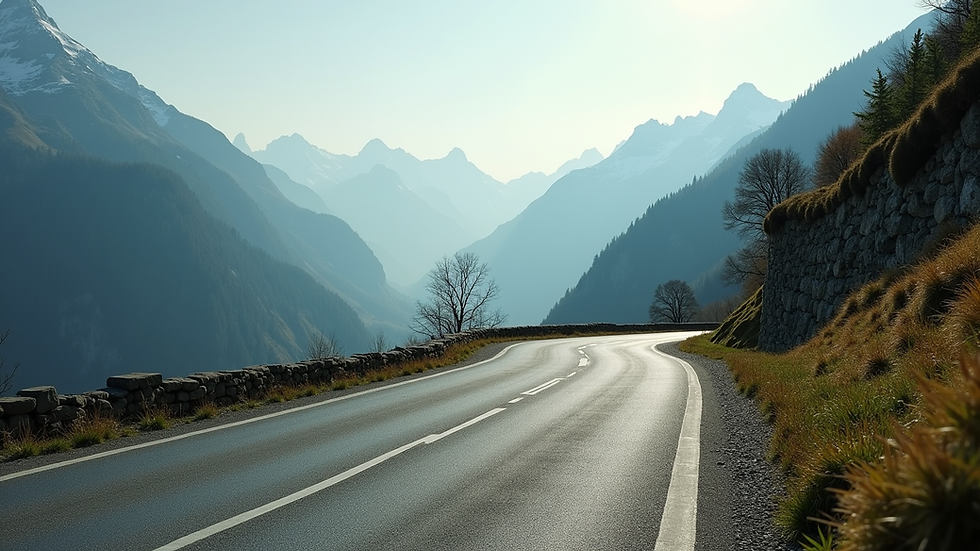
The Alps stretch across eight countries, including France, Switzerland, Italy, and Austria. This mountain range is renowned for its stunning landscapes, charming villages, and rich history. Cycling in the Alps allows you to experience the beauty of nature while challenging yourself physically. The combination of fresh mountain air, scenic views, and the thrill of conquering steep climbs makes this region a cyclist's paradise.
Why Choose Road Biking in the Alps?
Diverse Routes: The Alps offer a variety of routes, from gentle slopes to steep climbs, catering to all skill levels.
Stunning Scenery: The breathtaking views of snow-capped peaks, lush valleys, and crystal-clear lakes are unparalleled.
Cultural Experience: Each region has its own unique culture, cuisine, and history, making every stop an opportunity for exploration.
Challenging Climbs: For those seeking a challenge, the Alpine passes provide some of the most demanding climbs in the world.
Iconic Alpine Passes to Explore
1. Col de la Bonette, France
The Col de la Bonette is one of the highest paved roads in Europe, reaching an elevation of 2,802 meters. This pass is famous for its stunning views and challenging ascent. The ride begins in the charming town of Jausiers and winds its way up through breathtaking landscapes. The final stretch includes a loop that takes you to the summit, offering panoramic views of the surrounding peaks.
Tips for Riding Col de la Bonette:
Start early in the morning to avoid crowds.
Bring plenty of water and snacks, as there are limited facilities along the route.
Be prepared for changing weather conditions, as temperatures can drop quickly at higher elevations.
2. Stelvio Pass, Italy
The Stelvio Pass is renowned for its 48 hairpin turns and stunning vistas. At an elevation of 2,757 meters, it is one of the highest passes in the Eastern Alps. The ride is challenging but rewarding, with breathtaking views of the Ortler Alps. The pass is open from late May to October, making it a popular destination for cyclists.
What to Expect:
The ascent is steep, with an average gradient of 7.4%.
The views from the top are worth the effort, offering a stunning panorama of the surrounding mountains.
Be cautious of traffic, especially during peak tourist season.
3. Passo di Gavia, Italy
The Passo di Gavia is less crowded than some of the other famous passes, making it a hidden gem for cyclists. At 2,621 meters, it offers a challenging ride with stunning views of glaciers and alpine meadows. The descent is equally thrilling, with winding roads and breathtaking scenery.
Cycling Tips:
The pass is typically open from late June to September.
Be prepared for steep sections and variable weather conditions.
Take time to enjoy the views and capture photos along the way.
4. Grossglockner High Alpine Road, Austria
The Grossglockner High Alpine Road is one of the most scenic routes in the Alps. This road leads to Austria's highest peak, the Grossglockner, at 3,798 meters. The ride features stunning views, including the Pasterze Glacier, and is a must-visit for any cyclist.
Highlights:
The road is open from May to October, with a toll fee for vehicles.
There are several viewing platforms along the route to take in the breathtaking scenery.
The ride can be challenging, so ensure you are well-prepared.
Preparing for Your Alpine Adventure
Training and Fitness
Before embarking on your Alpine cycling adventure, it’s essential to prepare physically. The climbs can be steep and demanding, so building your endurance and strength is crucial. Here are some training tips:
Increase Mileage: Gradually increase your weekly mileage to build endurance.
Hill Training: Incorporate hill climbs into your training rides to prepare for the steep ascents.
Strength Training: Focus on leg strength exercises to improve your climbing ability.
Gear and Equipment
Having the right gear is vital for a successful cycling trip in the Alps. Here’s a checklist of essential items:
Road Bike: Ensure your bike is in good condition and suitable for climbing.
Clothing: Wear moisture-wicking layers to stay comfortable in varying temperatures.
Helmet: Always wear a helmet for safety.
Repair Kit: Carry a basic repair kit, including spare tubes and tools.
Hydration Pack: Stay hydrated with a hydration pack or water bottles.
Navigating the Routes
While many Alpine passes are well-marked, having a reliable navigation system is essential. Consider using a GPS device or a smartphone app designed for cyclists. Additionally, familiarize yourself with the routes before your trip to avoid getting lost.
What to Expect Along the Way
Scenic Stops
As you ride through the Alps, take time to stop and explore the charming villages and breathtaking landscapes. Here are some must-visit spots:
Chamonix, France: A picturesque town at the foot of Mont Blanc, perfect for a rest day.
Bormio, Italy: Known for its thermal baths, it’s an excellent place to relax after a long ride.
Zermatt, Switzerland: Famous for the Matterhorn, this car-free village offers stunning views and great food.
Local Cuisine
Don’t miss the opportunity to indulge in local cuisine during your journey. Each region offers unique dishes that reflect its culture. Here are some recommendations:
Raclette and Fondue in Switzerland: Perfect for warming up after a chilly ride.
Polenta and Pizzoccheri in Italy: Hearty meals that provide the energy needed for cycling.
Kaiserschmarrn in Austria: A delicious dessert to treat yourself after a long day of riding.
Safety Considerations
Cycling in the Alps can be exhilarating, but safety should always be a priority. Here are some safety tips to keep in mind:
Be Aware of Traffic: Many Alpine passes are popular with tourists, so be cautious of vehicles.
Wear Bright Colors: Make yourself visible to drivers, especially in low-light conditions.
Know Your Limits: Listen to your body and don’t push yourself too hard, especially on steep climbs.
Conclusion
Cycling through Europe’s Alpine passes is an unforgettable experience that combines adventure, beauty, and culture. With proper preparation, you can conquer these iconic routes and create lasting memories. Whether you choose the challenging Stelvio Pass or the scenic Grossglockner High Alpine Road, each ride offers a unique perspective of the majestic Alps. So gear up, plan your route, and get ready for an adventure of a lifetime in the heart of Europe’s mountains. Happy cycling!
Comments