Top Cycling Routes in Europe's High Alps

Cycling through the High Alps is an experience like no other. The breathtaking scenery, challenging terrains, and the thrill of conquering mountain passes make it a dream for many cycling enthusiasts. Whether you are a seasoned cyclist or a casual rider looking for adventure, the High Alps offer routes that cater to all levels of experience. In this blog post, we will explore some of the top cycling routes in this stunning region, providing you with practical information to plan your next cycling adventure.
Why Cycle in the High Alps?
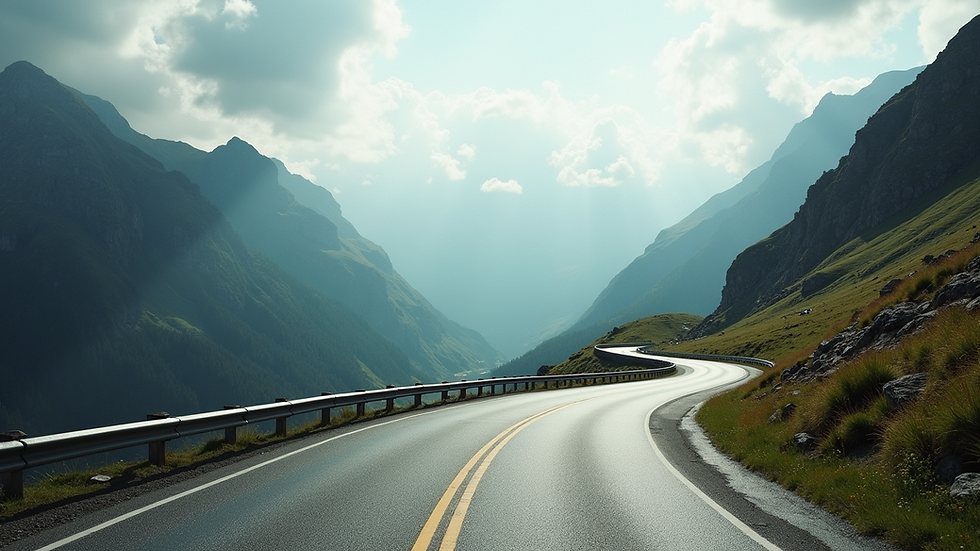
The High Alps are renowned for their stunning landscapes, rich culture, and diverse cycling routes. Here are a few reasons why you should consider cycling in this region:
Scenic Beauty: The High Alps boast some of the most picturesque views in Europe, with towering peaks, lush valleys, and crystal-clear lakes.
Challenging Terrain: For those seeking a challenge, the steep climbs and winding roads provide an exhilarating experience.
Cultural Richness: Cycling through the Alps allows you to explore charming villages, historic sites, and local cuisine.
Variety of Routes: From leisurely rides to intense climbs, there is a route for every type of cyclist.
Essential Tips for Cycling in the Alps
Before you embark on your cycling adventure, consider these essential tips:
Plan Your Route: Research the routes in advance to find one that matches your skill level and interests.
Check the Weather: The weather in the Alps can change rapidly, so be prepared for all conditions.
Stay Hydrated and Nourished: Carry enough water and snacks to keep your energy levels up during long rides.
Wear Appropriate Gear: Invest in quality cycling gear, including a helmet, padded shorts, and weather-appropriate clothing.
Know Your Limits: Listen to your body and take breaks as needed, especially on challenging climbs.
Top Cycling Routes in the High Alps
1. The Col de la Croix de Fer
The Col de la Croix de Fer is a must-ride for any serious cyclist. This iconic mountain pass reaches an elevation of 2,067 meters and offers stunning views of the surrounding peaks.
Distance: Approximately 35 km from Allemont.
Difficulty: Challenging, with an average gradient of 5.2%.
Highlights: The route features beautiful alpine meadows and breathtaking views of the Oisans massif.
2. The Alpe d'Huez
Famous for its role in the Tour de France, Alpe d'Huez is a legendary climb that attracts cyclists from around the world.
Distance: 13.8 km from Bourg d'Oisans.
Difficulty: Very challenging, with 21 hairpin bends and an average gradient of 8.1%.
Highlights: The climb rewards you with panoramic views of the surrounding mountains and valleys.
3. The Stelvio Pass
The Stelvio Pass is one of the highest paved mountain passes in the Alps, reaching an elevation of 2,757 meters. This route is known for its dramatic scenery and thrilling descents.
Distance: 48 km from Prato allo Stelvio.
Difficulty: Challenging, with an average gradient of 7.4%.
Highlights: The 48 hairpin turns offer stunning views and a thrilling ride.
4. The Susten Pass
The Susten Pass is a beautiful route that connects the cantons of Uri and Bern in Switzerland. It is less crowded than some of the other passes, making it a great option for cyclists seeking tranquility.
Distance: 25 km from Wassen.
Difficulty: Moderate, with an average gradient of 7.5%.
Highlights: The route features stunning glacial lakes and impressive mountain scenery.
5. The Col d'Izoard
The Col d'Izoard is another iconic climb that has featured in the Tour de France. This route is known for its unique rock formations and breathtaking views.
Distance: 19 km from Briançon.
Difficulty: Challenging, with an average gradient of 7.3%.
Highlights: The lunar landscape near the summit is a highlight of this ride.
Preparing for Your Cycling Adventure
Training
To ensure you are ready for the challenges of cycling in the Alps, consider the following training tips:
Build Endurance: Incorporate long rides into your training schedule to build stamina.
Practice Climbing: Find local hills to practice climbing and descending techniques.
Cross-Training: Engage in activities such as running or swimming to improve overall fitness.
Gear and Equipment
Investing in the right gear can make a significant difference in your cycling experience. Here are some essentials:
Bike: A lightweight road bike is ideal for climbing and long distances.
Clothing: Wear moisture-wicking and breathable fabrics to stay comfortable.
Accessories: Consider a GPS device or cycling app to track your route and performance.
Safety Considerations
Cycling in the Alps can be exhilarating, but safety should always be a priority. Here are some safety tips:
Wear a Helmet: Always wear a helmet to protect yourself in case of a fall.
Follow Traffic Rules: Be aware of local traffic laws and ride predictably.
Ride with a Buddy: If possible, cycle with a partner for added safety and support.
Conclusion
Cycling in the High Alps is an unforgettable experience that combines stunning scenery, challenging routes, and rich culture. By planning your route, preparing adequately, and prioritizing safety, you can make the most of your cycling adventure. Whether you choose to tackle the legendary climbs of Alpe d'Huez or enjoy the serene beauty of the Susten Pass, the High Alps promise an adventure that will leave you with lasting memories. So gear up, hit the road, and discover the beauty of cycling in one of Europe's most breathtaking regions.
Comments